

Browser casino games are web applications that deliver a full gambling session in a typical browser, with nothing to download casinowinnerisland.com. The core game logic, random number generation, and account management are handled by remote servers. Your browser manages the visuals, sound, and controls. The device functions as a thin client: it submits commands like a spin or a bet to the server, then receives the final outcome and triggers the animation. On a steady broadband connection, the round trip is instantaneous. For UK players, the appeal is clear. A verified account, a loaded balance, and a modern browser are everything required to browse a large catalogue of slots and table games.
The Fundamentals of Online Casino Gaming
Before 2017, plenty of online casinos depended on Adobe Flash, which required constant updates and presented security concerns. The transition to HTML5 transformed browser casino play into a native, plugin-free experience. HTML5 supports responsive layouts, adaptive audio, and hardware-accelerated visuals, so games fit different screen sizes without extra compatibility steps. That technical shift remains important more than anything else in the sector’s recent history. A player can register, verify identity, deposit, and play from the same browser window. Platforms such as Winner Island Casino have built their whole instant-play offer on this standard, eliminating downloads and configuration altogether.
Playing in a browser does not undermine game integrity. The random number generator is kept on the server and meets the same licensing and audit requirements as downloadable platforms. The browser is only a visual layer, so client-side tampering cannot affect the real outcome. Keeping logic and display separate is a core security feature. The setup is also cross-platform by nature. A Windows laptop, a MacBook, a Linux desktop, or a Chromebook can forums.redflagdeals.com reach the same games and account features, with balances and preferences following the login. That compatibility has established the browser as the default entry point for a mobile-first, multi-device audience.
How Instant Play Technology Works Behind the Scenes
Click a game thumbnail and the browser transmits a secure HTTPS request to the casino’s web server. The server verifies the session, ensures the account has funds, and sends back a package of HTML, CSS, and JavaScript that creates the game container. Media assets such as symbols, sounds, and animations load progressively from a content delivery network, which shortens load times even when the transactional server is far away. The browser’s rendering engine then generates the visual output, often using WebGL for hardware-accelerated graphics. This distributed setup enables a game appear quickly and run smoothly, with the heavy processing shared between the device and remote infrastructure.
Beneath the interface, a persistent WebSocket or long-polling channel links the browser to the game server. Each bet command travels across that channel, and the server returns structured outcome data: reel positions, winning lines, balance updates, and bonus triggers. The browser processes that data and displays the result. What matters is that the visual outcome indicates a server-side decision; it is not the source of the decision. Game logic never resides on the player’s device, so editing local code would only change the display. The actual registered outcome remains untouched on the server, and that is the foundation of client-side integrity.
Security receives another layer from Transport Layer Security encryption, the same protocol used in online banking. It blocks third parties from reading bet amounts or balances. The server’s random number generator obtains from monitored entropy sources and is tested regularly by independent bodies such as eCOGRA, iTech Labs, or Gaming Laboratories International. For UK operators, the Gambling Commission requires certification before games can go live. Instant play platforms also use lazy loading and asset streaming, so a slot becomes playable before every animation frame has downloaded. If a mobile connection fails, the server keeps the game state and the browser continues the session. That renders browser casino play reliable in variable network conditions.
Smartphone Responsiveness and Multi-Device Compatibility
Mobile web play is not a lesser offering; it is an continuation of the same HTML5 framework. When a player opens a browser casino from a smartphone, the site detects the screen size and delivers a responsive layout that repositions menus, the lobby, and the cashier for touch. Slot controls shift into a comfortable thumb zone, and the betting interface stays complete. We find this approach more adaptable than a native app because it avoids app store approvals and storage overhead. A player can save the casino URL or add a home screen shortcut. The same security protocols, including TLS and session handling, are used on mobile precisely as they do on desktop.
Cross-device compatibility also carries over to the account itself. The same credentials work on a desktop in the morning, an iPad at lunch, and an Android phone in the evening. Game history, bonus progress, and loyalty points update through the server, not the local device, so players can start a wagering requirement on one screen and finish it on another. Live chat support is adaptive too. We have seen that the strongest platforms check their games across Safari on iOS, Chrome on Android, and Samsung Internet, because browser fragmentation can otherwise create broken layouts. A consistent account experience across those environments signals mature browser casino infrastructure.
Performance tuning allows mobile games to adjust to device capability and network conditions. The engine assesses the GPU profile and tweaks graphical detail, so a high-end handset displays richer effects while an older device still executes the same mathematical game. When bandwidth drops, the game may reduce frame rates or asset quality to maintain responsiveness. Live dealer streams use adaptive bitrate to sustain the feed going. These adjustments take place automatically and do not impact fairness, because outcomes are determined on the server. For players across the UK, from city centres with 5G to rural areas with modest broadband, this adaptability is what makes browser casino gaming practical and dependable.
The Game Library: Slot Machines, Table Games, and Live Casino Choices
Video Slots and Classic Reels
Slot games rule the browser casino catalog. Developers such as NetEnt, Play’n GO, Pragmatic Play, and Games Global create their games in HTML5 from day one, so the titles are browser-ready. Falling reels, spreading wilds, click-and-pick bonus features, and growing jackpots all operate without plugins. The browser depends on CSS animations, canvas elements, and WebGL shaders to manage the visual workload. When we review a platform like Winner Island Casino, we look for the lobby to provide filters by provider, theme, feature, or volatility. Free play is also important, because players can try mechanics and bonus behaviour before betting real money. Payout percentages are controlled by server-side maths and remain identical on every device.
Table Offerings and Digital Versions
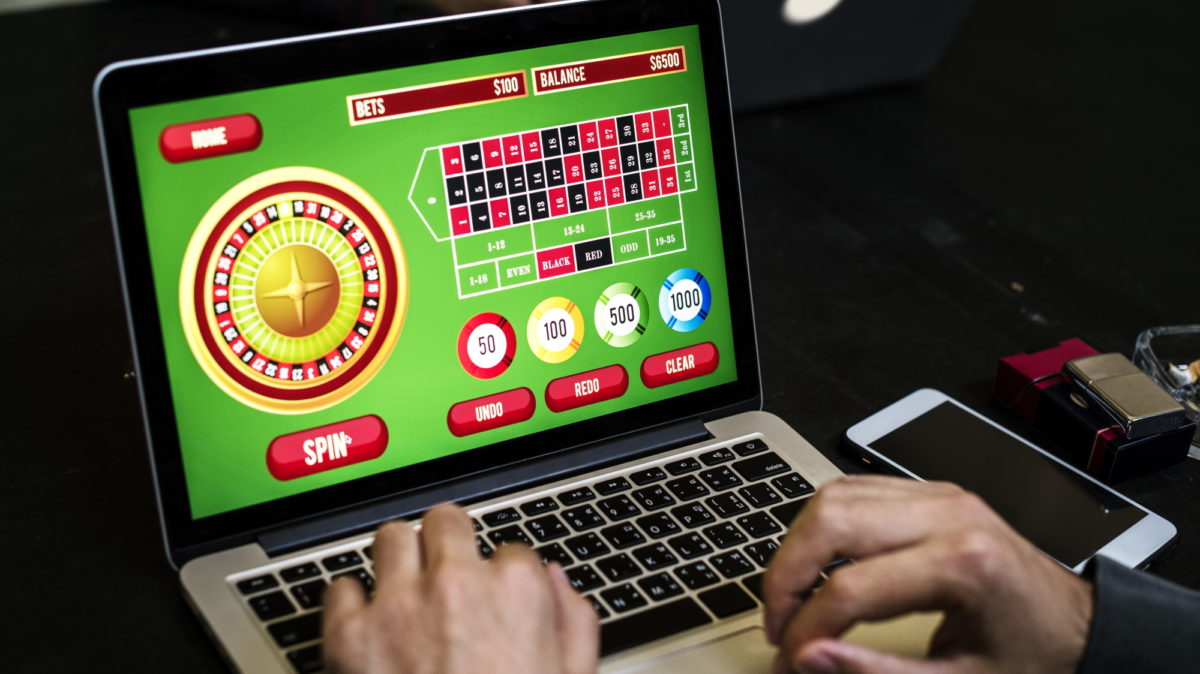
Browser casinos also feature electronic table games, including roulette, blackjack, baccarat, casino poker variants, and craps. They rely on the same server-side RNG principles as slots, but the emphasis is on simulating the felt-top experience. The browser interface displays table textures, chip placement, and fast decision buttons, often with detailed statistics and camera angles that feel roomier than a cramped mobile app. Rules differ by variant: European roulette has a single zero, while American roulette has the double zero. The house edge for each table can be found in the help files, and licensed operators make the return-to-player figures verifiable. We value platforms that show minimum and maximum bet limits in the lobby, because that enables players pick tables that match their bankroll.
Interactive Dealer Games and Real-Time Streaming
How Live Casino Streaming Functions in a Browser
Live dealer games put the greatest load on browser technology. When a player accesses a live roulette or blackjack table, the browser establishes a connection to a video streaming server carrying an HD feed from a studio or casino floor. A digital overlay displays the betting grid, balance, chat, and game history. The browser has to align the video feed with the game server’s outcome data, corresponding the dealer’s physical action to the settled bets. Timestamped video packets and a low-latency WebSocket connection render that possible. For a UK player, the result is a real-time table in a single browser tab, with an interface that adjusts between desktop and mobile while maintaining chat and bet controls intact.
Adaptive bitrate streaming is the key piece behind stable live play. The browser keeps adjusts video quality to the available bandwidth, so a strong Wi-Fi connection provides crisp HD while a weaker mobile signal drops resolution but maintains the stream. At Winner Island Casino, the live dealer section typically offers blackjack, roulette, baccarat, and game show formats. Because the interface is built in HTML5, it covers a desktop monitor and still collapses cleanly on a smartphone. Browser-based live casinos often seem more flexible than dedicated apps, since they bypass app store restrictions and can be updated server-side without requiring the player to download a new version.
Funding Methods, Depositing, and Payout Times
A browser casino’s cashier is part of the same web interface, so deposits and withdrawals don’t need a separate app. UK players can usually choose debit cards, e-wallets such as PayPal, Skrill, and Neteller, prepaid vouchers, and bank transfers. Some platforms also offer Trustly or Pay by Bank App. The deposit flow goes via a secure payment gateway and takes the player back to the game lobby once the transaction is approved. Funds typically land in the casino balance within seconds. We search for operators that state clearly which methods are available, whether fees apply, and how long each method takes to process, because that clarity influences the day-to-day experience.
Withdrawal times vary by method and internal procedure. E-wallets are typically fastest, often paid within hours to one business day after the casino approves the request. Debit cards and bank transfers can take between one and five working days. The first withdrawal generally triggers identity verification, which is a UK anti-money laundering requirement rather than a deliberate delay. We suggest players to complete verification early, ideally right after registration, so later withdrawals process quicker. At Winner Island Casino, the cashier should present realistic timelines and let players track pending withdrawals. That level of transparency makes it easier to compare operators and manage expectations.
Minimum deposits usually sit around ten pounds, although some e-wallets may ask for slightly more. Minimum withdrawals are often similar. Maximum withdrawal limits can apply per transaction, day, or week, and those details are part of the terms and conditions. Progressive jackpot wins may be paid in instalments, which should be revealed in the game rules. Financial security in the browser relies on the same TLS encryption that protects gameplay, and payment gateways are PCI DSS compliant, so card data is tokenized and never stored in plain text. For UK players, the default currency is typically pounds sterling, which avoids conversion fees. Deposit limit tools are also applied from the same cashier area.
Safety, Integrity, and Licensing in the Online Setting
Safety in a browser casino depends on transport encryption, backend integrity, and regulatory control. Every exchange between the player’s browser and the casino’s servers is safeguarded by TLS, displayed by the padlock icon. That prevents interceptors on public Wi-Fi from accessing the traffic. The casino’s servers operate behind firewalls and intrusion detection, while the games operate on random number generators tested by independent laboratories that run millions of rounds. Any statistically meaningful deviation would prevent certification. For us, this is not an abstract promise; it is a measurable chain of controls that ensures fair play in an browser-based environment.
For UK players, the Gambling Commission is the primary regulator. A UKGC licence mandates the operator to prove that its browser platform has been assessed and authorized. The licence also enforces rules around player fund segregation, self-exclusion tools, and anti-money laundering procedures. We always look for a clear licence badge and a number that can be checked on the public register. Many operators also hold a Malta Gaming Authority licence, which provides another layer of accountability. On a site like Winner Island Casino, these credentials are usually clear, and the terms should clarify how complaints and disputes are resolved. That transparency is a baseline requirement, not a extra.
Session management matters even more because the browser is a shared environment. Secure cookies and tokens identify the user without storing credentials in the browser. Sessions time out after inactivity, and two-factor authentication is more offered as an extra login layer. Responsible gambling tools such as deposit limits, reality checks, and time-out periods sit directly in the browser interface. Encryption alone does not demonstrate fairness, which is why seals from testing agencies such as eCOGRA are important. Players can click through to a certificate and check that advertised payout percentages align with the tested performance. We suggest considering the absence of that verification as a warning sign.
Beginning and Key Factors in a Instant Play Casino
Starting a browser casino session requires just a few minutes, but the early selections matter. Pick a licensed platform that matches your preferences for games, payment methods, and bonus terms. Registration collects your name, date of birth, address, and email, all of which facilitate identity verification. After email confirmation, you can credit the account. Welcome bonuses are usually presented with match percentages, maximum amounts, wagering requirements, and eligible games. We suggest reading those terms in the browser before depositing, because game contributions to the wagering requirement vary. That upfront diligence stops misunderstandings that are much harder to resolve after play starts.
Once funded, the lobby becomes the core section. A well-organised lobby contains categories, search, and provider filters. Demo mode enables a player to test volatility and bonus features without risking real money, and switching between demo and real mode is quick. We also suggest setting up responsible gambling tools during the first session. A deposit limit and a reality check timer are quick but create a useful control point. When assessing a browser casino, we seek fast game loading, a clearly visible licence badge, realistic withdrawal policies, and responsive live chat. A platform that publishes payout reports or links to testing certificates demonstrates a stronger commitment to transparency.
The browser casino landscape has evolved to the point where the gap between downloadable clients and instant play platforms has practically closed. For most UK players, the browser is now the primary gateway to slots, table games, and live dealer studios. The real assessment, though, is not about convenience alone. We see the strongest cases as those that integrate verified licensing, independent fairness audits, clear payment timelines, and responsible gambling tools in a single interface. A player who handles a browser casino with the same care used for any financial decision obtains both access and control. The next step is practical: open a browser, verify the licence, set limits, and let the technology show its value.